

Natural Solutions for Neck and Back Pain Relief: Safe and Effective Approaches
Key Takeaways
- Yoga and mindfulness techniques often improve flexibility and reduce muscular tension due to stress.
- Proper posture and thoughtful workplace ergonomics protect the neck and back from daily strain.
- Complementary therapies such as massage and acupuncture offer natural pain management alternatives.
Table of Contents
- Yoga and Mindfulness Practices
- Maintaining Proper Posture and Ergonomics
- Exploring Alternative Therapies
- Engaging in Physical Therapy
- Implementing Lifestyle Changes
- Conclusion
Neck and back pain affects millions of people each year, often disrupting work, sleep, and daily enjoyment. While medical intervention may be necessary for certain conditions, individuals searching for noninvasive options now have more choices than ever. Exploring safe, natural strategies like chiropractic care, yoga, and ergonomic adjustments can help minimize discomfort and support long-term spinal health.
Whether the pain develops gradually or results from an acute injury, adopting holistic practices can make a noticeable difference. Taking proactive measures offers not only symptom relief but also helps prevent the recurrence of pain by supporting the spine’s structural integrity. Understanding these solutions can empower people to take charge of their well-being and reduce reliance on medication.
Another foundational step in caring for the spine is consulting with a qualified health professional when symptoms persist. Many individuals have found value by visiting an experienced chiropractor, who can provide guidance on musculoskeletal alignment and recommend practical lifestyle modifications.
Yoga and Mindfulness Practices
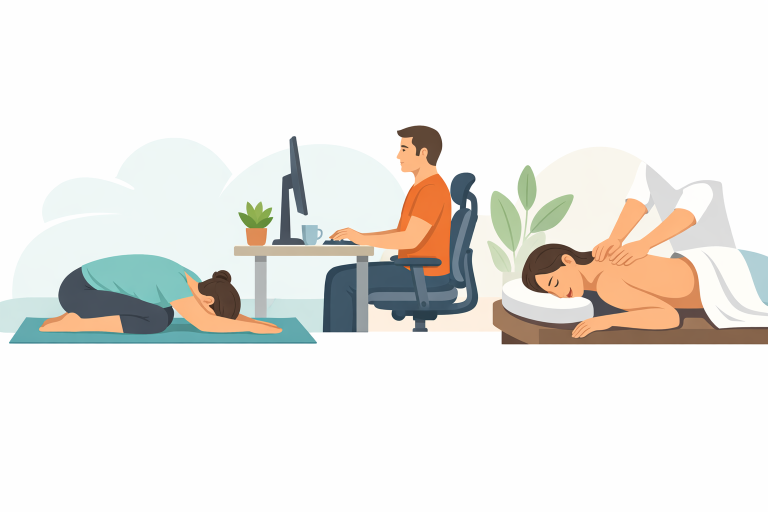
Yoga offers both physical and mental benefits for those who struggle with spine discomfort. Gentle stretching, guided relaxation, and strengthening routines foster better posture, core stability, and flexibility. Popular yoga poses such as the Child’s Pose and Cat-Cow help release tension in the muscles surrounding the spine. Mindfulness practices, including meditation and controlled breathing, reduce stress and foster body awareness, which together help prevent stress-related flare-ups. Yoga can ease chronic back pain and promote relaxation, making it a viable option for many looking for ongoing relief.
In addition, regular mindfulness meditation helps train the mind to respond differently to pain signals, cultivating resilience. Research shows that a consistent yoga routine boosts neurotransmitters that combat pain and inflammation. Classes can be tailored to any ability level, and online resources make it easy to get started at home. Collaborating with an experienced yoga instructor or therapist can further support personal goals and safety. Importantly, these methods not only provide lasting relief but also help restore confidence in movement, which is often diminished following episodes of significant pain or injury.
Maintaining Proper Posture and Ergonomics
Sitting or standing with poor alignment is a leading cause of persistent neck and back pain. Poor posture can put unnecessary strain on the muscles and ligaments supporting the spine, eventually causing pain and muscle fatigue. Simple fixes such as keeping screens at eye level, selecting chairs with proper lumbar support, and taking regular breaks to stretch can be very effective. These changes prevent the development of unhealthy movement patterns that often lead to discomfort. Occupational health experts emphasize the importance of awareness and habit building in daily activities to develop posture that protects spinal structures long-term. Detailed guidance on workstation adjustments can be found in the Mayo Clinic’s office ergonomics guide.
Incorporating posture reminders throughout the day, such as setting an alarm or using a wearable device, helps to maintain body alignment while working or relaxing. For those with standing jobs, shifting weight between legs, wearing supportive footwear, and using anti-fatigue mats can reduce cumulative stress. At home, evaluating mattresses and pillows for proper support is another proactive step in spinal care. Even small adjustments, like keeping both feet flat on the floor when sitting and avoiding crossing the legs, can add up to significant improvements over time.
Exploring Alternative Therapies
Non-pharmacological approaches, such as massage therapy and acupuncture, offer significant benefits for pain management. Therapeutic massage reduces muscle tension, increases circulation, and may enhance recovery after minor injuries. Acupuncture, which involves the insertion of very fine needles at specific points on the body, has shown promise in diminishing chronic pain and supporting the body’s natural healing responses. Both therapies are widely used to complement standard medical care and have demonstrated safety and efficacy for many individuals in clinical studies. Acupuncture can be an effective part of a pain management plan for chronic back and neck pain.
Other emerging natural techniques include cupping therapy, which aims to increase blood flow and reduce muscle tightness, and the use of heat and cold therapy to decrease inflammation and soothe soreness. Hydrotherapy, performed through warm baths, whirlpools, or water-based exercises, can gently condition muscles and provide support with minimal impact. Exploring various combinations of these complementary therapies with the help of healthcare professionals leads to personalized relief strategies. It’s important to note that while most people tolerate these interventions well, working with licensed practitioners ensures safety and maximizes benefits.
Engaging in Physical Therapy
Physical therapy plays a key role in both the recovery and prevention of spine-related pain. Through guided exercises, a physical therapist helps patients strengthen the muscles that stabilize the spine, increase flexibility, and improve body mechanics. Programs are tailored to individual needs, with a focus on restoring movement and function while minimizing discomfort. Physical therapy may also include manual techniques, education, and ergonomic advice for continued progress outside the clinical setting. Patients are encouraged to remain consistent with their therapy routines for lasting effects.
Some therapies also employ innovative modalities such as electrical stimulation or ultrasound to further relieve pain and reduce inflammation. Patient education is a cornerstone of effective therapy; learning how to move safely and efficiently can greatly reduce the risk of future problems. Continuing prescribed exercises at home, even after symptoms have subsided, can help maintain spinal strength and flexibility. By embracing the expertise of a dedicated rehabilitation team, individuals build the skills required for lasting wellness and independence.
Implementing Lifestyle Changes
Many risk factors for neck and back pain are tied to daily activities and lifestyle choices. Engaging in regular exercise, such as walking, swimming, or cycling, supports weight control and keeps core muscles strong. Avoiding prolonged inactivity and maintaining a healthy body weight are particularly helpful in reducing pressure on the spine. Managing stress through mindfulness or relaxation techniques, prioritizing restorative sleep, and staying hydrated can also help decrease the risk and severity of pain episodes. For those seeking a comprehensive approach, combining several small changes is often more effective than focusing on a single intervention.
Quitting smoking and moderating alcohol consumption also contribute to healthier connective tissues and improve healing capacity. Nutritional choices play a crucial role; maintaining a diet rich in anti-inflammatory foods such as leafy greens, nuts, fatty fish, and whole grains supports tissue repair and muscle health. Building healthy routines takes time and patience, but the benefits extend beyond pain relief to enhance overall quality of life. Participating in enjoyable activities and cultivating strong social connections further reduces the perception of pain and has positive effects on mental health.
Conclusion
Natural solutions such as yoga, mindfulness, ergonomic improvements, massage, acupuncture, physical therapy, and healthy lifestyle choices can provide meaningful neck and back pain relief. These safe practices not only address the root causes of discomfort but also support long-term spinal and overall health. By making informed decisions and consistently applying these strategies, people can reduce pain, improve function, and build resilience for the future.