
The Importance of Regular Pest Inspections for Homeowners
Key Takeaways
- Regular pest inspections help with early detection of infestations and reduce repair costs.
- Inspecting your home reduces the health risks pests pose to your family.
- Pest inspections can reveal hidden issues and structural vulnerabilities in your home.
Table of Contents
- Early Detection of Pest Infestations
- Preventing Structural Damage
- Health Risks Associated with Pests
- Cost-Effectiveness of Regular Inspections
- Recommended Frequency of Pest Inspections
- Choosing a Professional Pest Inspection Service
- Conclusion
Maintaining a safe and healthy home goes beyond cleaning and repairs. One of the most effective ways to preserve your home’s integrity and comfort is to be proactive about pest control. By scheduling routine pest inspection services, homeowners can detect unwanted guests early and prevent many issues before they escalate. Pests such as rodents, termites, and cockroaches often enter unseen, which can lead to costly or hazardous consequences if not addressed quickly. Protecting your property requires vigilance and action. Regular inspections are a valuable defense, helping safeguard your family’s well-being and your home’s structure. In situations where pests are present or likely to occur, integrated pest management strategies can help manage the problem and prevent future recurrences. Careful monitoring and treatment are essential to overall home maintenance.
Early Detection of Pest Infestations
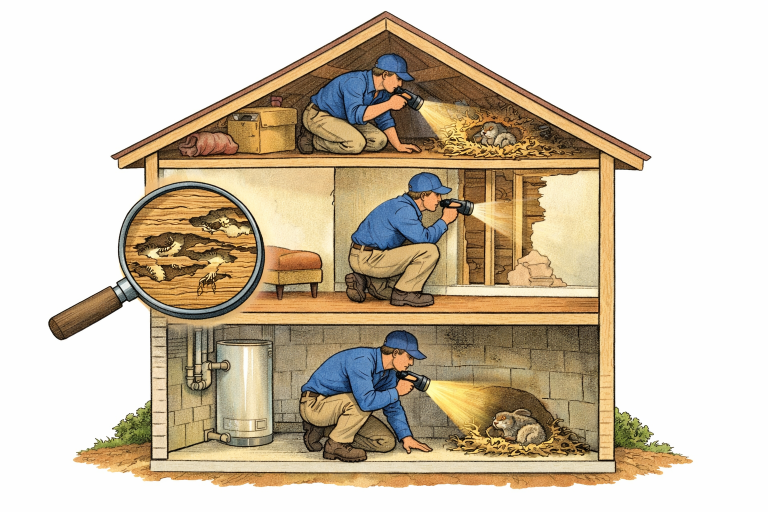
Pest activity often begins in concealed spaces such as attics, basements, or inside walls. Termites, for example, can silently cause severe structural damage, while rodents may chew through wires and insulation long before they are noticed. Regular inspections provide an opportunity to spot these problems early, enabling targeted interventions that minimize overall impact. According to the Centers for Disease Control and Prevention (CDC), many pest-borne diseases are best prevented with vigilant maintenance and early detection.
In addition to the physical signs of pests, professional inspectors are trained to identify entry points and conditions that promote infestations, such as excess moisture, clutter, or cracks in the foundation. By recognizing these risk factors, homeowners can take proactive steps such as sealing gaps, maintaining a clean yard, and addressing water leaks. This diligence not only improves pest control but also contributes to overall home energy efficiency and safety. Some pests are seasonally active, making their detection depend on the time of year. For instance, ants and wasps tend to appear more frequently in the warmer months, while rodents and spiders seek shelter indoors as temperatures drop. Incorporating pest inspection into a seasonal home maintenance routine ensures that emerging threats are managed before they cause significant issues.
Preventing Structural Damage
Many pests, including carpenter ants and termites, target the wooden elements of your home, compromising foundations, beams, and support walls. Left unchecked, these infestations can lead to significant repair bills and possibly unsafe living conditions. Regular inspections help catch signs such as frass (insect droppings), mud tubes, or soft wood early, so minor issues do not develop into major repairs. Taking preventative steps is especially important in areas with a history of wood-destroying pests. Beyond wood, some pests also threaten the integrity of insulation, wiring, and even plumbing. For example, rodents can chew through electrical wires, increasing the risk of fire hazards and costly electrical repairs. Proactive inspections and prompt removal of nests or colonies can keep essential home systems intact and operational. This level of protection is especially vital for older homes, where vulnerabilities may be less obvious, and remediation can be particularly expensive.
Health Risks Associated with Pests
Pests are more than just inconvenient; they can also expose you and your family to health risks. Cockroaches, for instance, can trigger asthma attacks and allergies, while rodents are known carriers of various diseases that can contaminate food and surfaces. Regular inspections help limit these risks by keeping infestations at bay and recommending mitigation strategies. The Environmental Protection Agency (EPA) stresses that addressing pest problems promptly is crucial to household health.
Additionally, ticks and mosquitoes, both of which may enter homes through open windows or on pets, are notorious vectors of illnesses such as Lyme disease and West Nile virus. Regular inspections extend to the yard and surrounding property, allowing for early identification and removal of breeding grounds or nests. Safeguarding against these outdoor pests is a crucial step in minimizing exposure to potentially severe diseases. Homes with young children, elderly family members, or individuals with pre-existing health conditions are particularly vulnerable to pest-related risks. Maintaining a pest-free environment through regular inspections is an essential component of comprehensive healthcare and family safety planning.
Cost-Effectiveness of Regular Inspections
Routine pest inspections may seem like an added expense, but early detection is far more cost-effective than paying for repairs or medical bills caused by undetected infestations. Once pests are established, eradication can be complicated and expensive. By scheduling regular checks, homeowners reduce the likelihood of extensive damage and minimize the need for major intervention.
Factoring in pest inspections into your annual home maintenance budget supports long-term savings and can even increase property value. Most prospective homebuyers appreciate knowing that a home has been well-maintained and inspected for pests, which adds peace of mind and negotiating power during the sale. Preventive care almost always outweighs the high costs of large-scale repairs or healthcare treatments that arise from avoidable infestations.
Recommended Frequency of Pest Inspections
The optimal schedule for pest inspections depends on your local climate, your property’s age, and its history of infestations. In most cases, an annual inspection suffices. However, homes in particularly pest-prone areas or those with previous incidents may benefit from twice-a-year checkups. Seasonal inspections can also help identify specific threats, such as termites in spring or rodents seeking shelter in fall and winter. In between professional inspections, homeowners should regularly monitor for signs of pest activity, such as droppings, unusual odors, chewed materials, or unexplained noises within walls. Staying alert to these indicators and addressing them quickly can help bridge the gap between scheduled visits and support a consistently pest-free living environment.
Choosing a Professional Pest Inspection Service
When selecting a pest inspection service, prioritize reputable providers with proper certification and experience. Look for companies that offer comprehensive inspection reports and tailored treatment plans. Online reviews and testimonials from neighbors or local community members are helpful resources for narrowing down your choices. Reliable companies provide transparency about their methods, findings, and costs. Ask potential providers about their pest management approach, including whether they use eco-friendly or integrated pest management (IPM) techniques. IPM methods combine biological, cultural, and chemical tools to minimize risks to people, property, pets, and the environment. Choosing a service that offers detailed explanations of their recommendations is essential for building trust and confidently maintaining your home’s health and safety. Taking a proactive approach to pest prevention ensures that your home remains secure and comfortable. Regular pest inspections reduce the risk of unexpected repairs and contribute to a healthier living space for your family. By following best practices and relying on professional expertise, homeowners can establish a robust line of defense against unwanted intruders.
Conclusion
Regular pest inspections are a key part of responsible home maintenance, helping homeowners detect infestations early and prevent costly or dangerous problems. By identifying hidden pest activity, protecting structural components, and reducing health risks, inspections play an important role in preserving both safety and property value. Routine checks also provide peace of mind, ensuring that issues are addressed promptly and effectively. When combined with preventive measures and professional pest control services, regular inspections create a strong defense against long-term damage and unwanted infestations.