
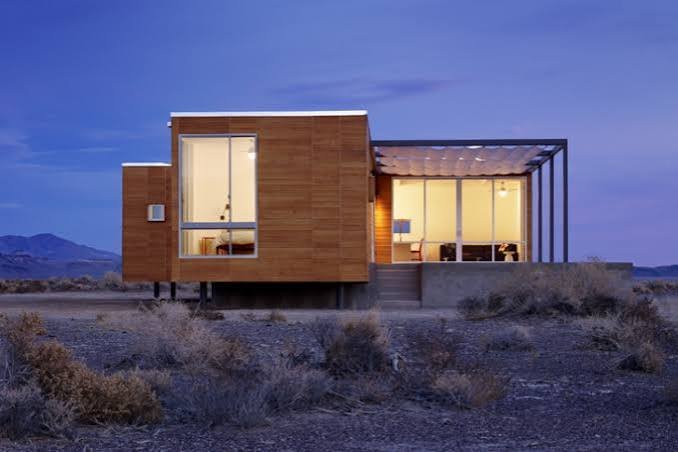
How Desert-Smart Home Features Can Shape a Tucson, Arizona Home Search
Buying a home in Tucson, Arizona, involves more than comparing bedrooms, finishes, and listing prices. The Sonoran Desert setting makes cooling performance, water use, shade, drainage, and outdoor maintenance meaningful parts of everyday ownership. Two homes that look similar online can create very different monthly expenses and comfort levels once summer temperatures and seasonal storms arrive.
When comparing Tucson homes for sale, buyers can use Hazelbaker & Ranek’s local property search as a starting point to explore houses, condos, land, and luxury real estate throughout Tucson. The Tucson-based real estate team also serves nearby areas, including Catalina Foothills, Oro Valley, and Northwest Tucson, providing buyers with useful neighborhood-level context as they weigh lot size, home style, and desert-ready features.
Why Tucson Buyers Need a Wider Home-Buying Checklist
A beautiful kitchen or recently painted exterior can make an immediate impression, but long-term performance deserves equal attention. A home’s orientation, HVAC condition, window quality, landscape design, and irrigation setup can influence how enjoyable and manageable it feels over time.
Build a comparison process that looks beyond the asking price. Include likely utility use, upcoming replacement needs, outdoor upkeep, commute patterns, and whether the property supports the way your household actually lives. This approach can make it easier to distinguish a well-prepared desert home from one that may need substantial attention after closing.
Start With the Home’s Cooling Plan
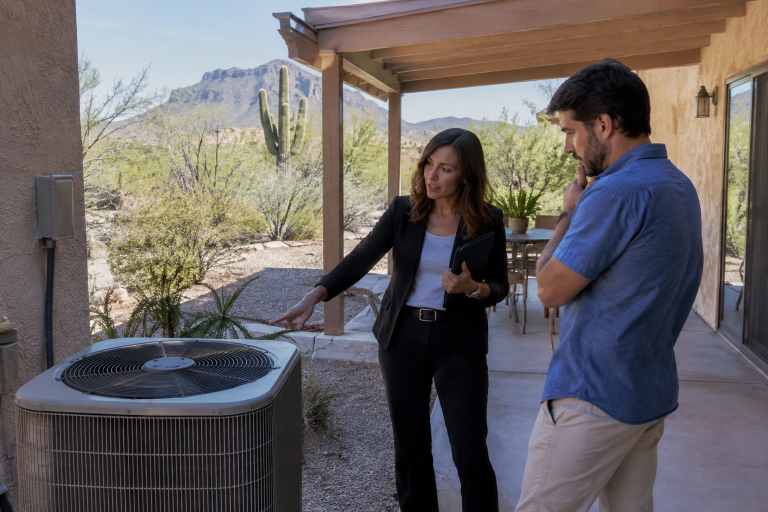
Cooling is one of the first systems to review during a Tucson home tour. Ask the seller or listing agent about the age, type, capacity, and service history of the air-conditioning equipment. A central system, mini-splits, evaporative cooler, or mixed arrangement may each require a different maintenance routine and create different comfort expectations.
What to look for during a tour
- Uneven temperatures between bedrooms, living areas, and additions.
- Older windows, damaged weatherstripping, or visible gaps around exterior doors.
- Limited attic insulation or signs that ductwork has been altered.
- South- and west-facing glass without practical exterior shade.
- Maintenance records, warranties, and recent repair invoices for HVAC equipment.
When available, review utility bills from the hottest months rather than relying on a single mild-weather statement. A lower-priced house can be less economical to operate if it has an aging cooling system, poor insulation, or rooms that do not cool consistently.
Review Water Use Before Falling in Love With a Yard
A pool, mature landscape, lawn, citrus trees, decorative fountains, and extensive planting beds may all be appealing, but they also deserve a closer inspection. Check hose bibs, outdoor faucets, pool equipment, visible supply lines, and irrigation valves. Soggy soil, erosion, unexplained green patches, or mineral buildup can signal that a system needs attention.
Ask whether the property uses drip irrigation, spray irrigation, or both, and request information about its watering schedule. Buyers can also use Tucson Water conservation programs to review local resources for water-efficiency checkups, landscape guidance, and available residential incentives after purchase.
Questions worth asking
- When was the irrigation system last inspected or repaired?
- Which landscape areas receive regular irrigation?
- How old are the pool pump, filter, and plumbing components?
- Are there rainwater-harvesting basins, tanks, gutters, or drainage swales to maintain?
- What have water bills looked like during peak landscape use?
Look for Shade and Outdoor Comfort
Shade changes how a Tucson property functions. Note the home’s orientation, mature trees, covered patios, ramadas, awnings, exterior screens, and shaded walkways. Pay special attention to west-facing patios and windows, which can receive strong late-day sun.
Useful shade can make outdoor dining, gardening, play areas, and pet spaces more comfortable. At the same time, assess maintenance realistically. Large trees, aging shade structures, and densely planted yards may require pruning, repairs, irrigation adjustments, or cleanup, all of which should be included in your ownership plan.
Compare Older Homes With Newer Construction
Established homes may offer mature landscaping, distinctive architecture, and neighborhoods with a settled feel. Newer construction may include more recent materials and systems. Neither category is automatically the better choice. Focus on the individual property’s condition, documented upgrades, and fit for your needs.
- Ask whether major remodels, additions, roof work, electrical projects, and HVAC replacements were permitted.
- Confirm who completed significant work and retain copies of invoices when possible.
- Review transferable warranties for windows, solar equipment, appliances, or roofing materials.
- Schedule a professional inspection, including for newly built homes.
Check Water-Efficient Features and Certifications
Efficient fixtures and thoughtfully designed landscapes can be useful indicators, but verify how the systems work rather than relying on labels alone. Look for leak-monitoring devices, irrigation controllers, low-flow fixtures, rainwater features, and practical drainage routes away from the foundation.
For additional context, WaterSense-labeled homes are certified to be at least 30 percent more water-efficient than typical new construction and must include labeled plumbing fixtures and leak-free verification. If a seller describes a property as certified, request the related documentation and confirm whether any warranty or program materials transfer.
Study the Lot, Street, and Nearby Area
Visit a serious contender at more than one time of day. Listen for traffic, aircraft, nearby construction, and activity that may not be apparent during a quick daytime showing. Look at curb cuts, street drainage, low areas, damaged pavement, standing water, and any evidence of runoff moving toward the home.
Then consider the routines that shape daily life: access to groceries, medical care, parks, trails, schools, major roads, and work destinations. A home that meets the physical checklist but creates a difficult daily schedule may not be the right long-term fit.
Use a Simple Home Comparison Scorecard
Give each home a score from one to five in the following categories, then write a short note explaining the score:
- Monthly ownership cost: Mortgage, taxes, insurance, utilities, and routine maintenance.
- Cooling readiness: HVAC condition, insulation, windows, ductwork, and shade.
- Water efficiency: Fixtures, irrigation, landscaping, pool needs, and visible leaks.
- Repair risk: Roof, plumbing, electrical, appliances, and outdoor structures.
- Daily convenience: Commute, services, recreation, and road access.
- Future flexibility: Workspace, guest space, resale appeal, and changing household needs.
Questions to Ask During a Tucson Home Tour
- How old are the roof and the cooling system?
- Have there been leaks, flooding concerns, or insurance claims?
- Which improvements were permitted?
- What do utilities typically cost during the hottest months?
- Are solar panels owned, financed, or leased?
- What outdoor feature requires the most maintenance?
- Are there HOA rules affecting landscaping, shade structures, or solar equipment?
Final Takeaway
The strongest Tucson home choice is not always the newest, largest, or most polished option. A property with dependable cooling, sensible water use, practical shade, manageable outdoor systems, and a location that supports everyday life may offer greater long-term value. Careful questions, repeat visits, documentation, and a professional inspection can help buyers make a confident decision.