
Choosing the Right Flooring for Your Home: A Comprehensive Guide
Contents
Key Takeaways
- Assess the function and traffic in each room to determine the best flooring material.
- Balance durability, maintenance needs, and your budget when selecting a floor type.
- Consider eco-friendly flooring choices for healthier living and reduced environmental impact.
Table of Contents
- Assessing Room Function and Traffic
- Exploring Flooring Material Options
- Evaluating Durability and Maintenance
- Budget Considerations
- Eco-Friendly Flooring Choices
- Understanding Installation Methods
- Aesthetic Appeal and Design Cohesion
- Conclusion
When planning home upgrades, few choices have as lasting an impact as selecting the right type of flooring. The style and practicality of your floors influence your home’s comfort, functionality, and overall appearance. Since different rooms in your home require different features, it is essential to match the flooring materials to meet those distinct needs.
Homeowners face many options, each offering unique benefits and trade-offs. By learning about flooring types and key considerations such as durability, maintenance, cost, and eco-friendliness, you can make well-informed decisions for each space in your home.
In addition, understanding the advantages and potential challenges of popular flooring choices helps you set expectations for daily care and long-term value. Taking a closer look at each room and evaluating lifestyle factors ensures that your home’s floors look good and serve your family well. If you decide to hire professionals, learning about processes such as flooring installation will also help you navigate the renovation smoothly.
Assessing Room Function and Traffic
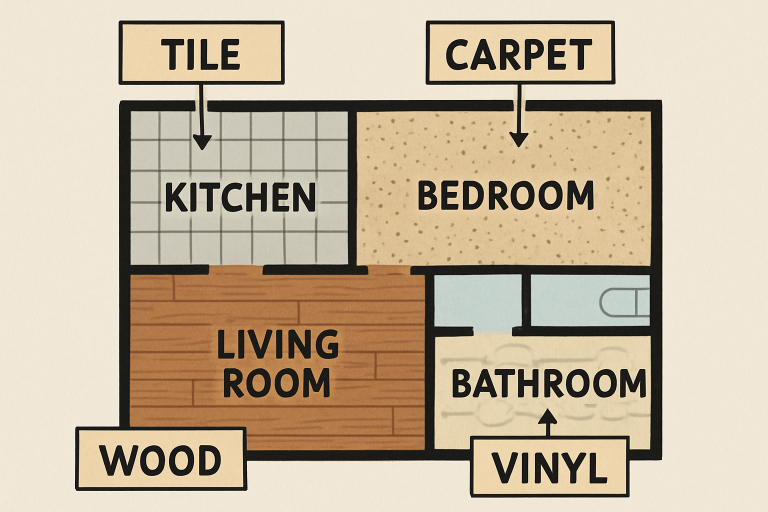
The activity level and role of each room are the starting points for your flooring decision. Entryways, kitchens, and living rooms see a lot of traffic and are prone to dirt, spills, and heavy use. Durable materials such as tile and vinyl are well-suited for these spaces because they are strong, easy to clean, and water-resistant. Bedrooms, on the other hand, tend to have less foot traffic, making them ideal for plush carpet or warm hardwood for added comfort.
Bathrooms, laundry rooms, and mudrooms are frequently exposed to moisture, requiring water-resistant materials. Materials like ceramic tile or waterproof vinyl can help prevent water damage and reduce the risk of mold and mildew. Matching flooring to a room’s requirements supports both long-term resilience and daily convenience.
Exploring Flooring Material Options
The market offers a variety of flooring materials, each with its own strengths and considerations:
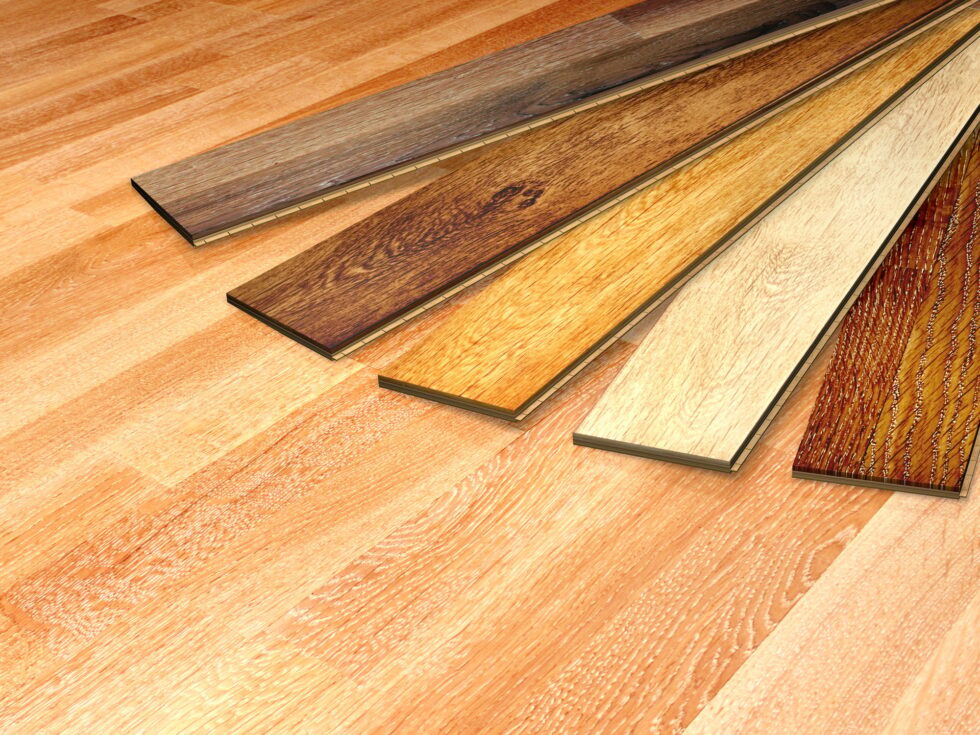
- Hardwood: This classic choice provides a timeless, elegant aesthetic and can be sanded and refinished numerous times. Hardwood works well in dry areas and is available in different stains and finishes.
- Laminate: A budget-friendly option that mimics the appearance of natural materials like wood or stone. Its protective wear layer makes it scratch-resistant and ideal for active households.
- Vinyl: Available as sheets, tiles, or planks, vinyl provides durability and water resistance. Its versatility makes it suitable for bathrooms, kitchens, or high-traffic areas.
- Tile: Both ceramic and porcelain tiles offer exceptional toughness and a wide range of design choices. They resist moisture well but may feel cold or hard underfoot.
- Carpet: Soft and insulating, carpet is a favorite for bedrooms and family rooms that benefit from warmth and reduced noise.
For those wanting more comparison information, the HGTV Flooring Buyer’s Guide offers comprehensive insights into each material’s properties and best uses.
Evaluating Durability and Maintenance
Floors experience daily wear and tear from pets, children, and simply foot traffic. Hardwood floors are highly durable but may require refinishing to address scratches or dullness over time. Laminate and vinyl are durable and easy to clean. Carpets may need frequent vacuuming and occasional deep cleaning, especially in areas prone to stains. Reviewing the manufacturer’s care guidelines can help you anticipate upkeep requirements and extend floor life.
Budget Considerations
Pricing ranges widely among flooring materials. While hardwood and high-end natural stone can be pricey, laminate, vinyl, and certain tile options offer durable, more affordable options. When budgeting, also account for installation, underlayment, trim, and potential subfloor repairs. Evaluating your upfront investment against long-term durability and replacement cycles can help you make the most cost-effective choice.
If you are budgeting for a flooring upgrade, the HGTV Flooring Buyer’s Guide is an excellent resource for price comparisons and insights into durability.
Eco-Friendly Flooring Choices
Environmentally conscious homeowners have a growing range of sustainable flooring options to consider. Bamboo flooring is produced from rapidly renewable grass and offers a sleek, modern appearance with notable strength. Cork, harvested from the bark of cork oak trees, is not only renewable but also provides a cushioned, sound-dampening surface. Reclaimed wood gives old materials new life, adding character and reducing resource consumption. These solutions can also improve indoor air quality, contributing to a healthier home environment.
Understanding Installation Methods
Your installation method depends on both the flooring material and your personal skill level. Laminate and some types of vinyl offer click-together planks that can be installed without glue or nails, making them approachable DIY projects. Materials like tile or solid hardwood, however, often necessitate professional installation to achieve a flawless, lasting finish. Review product instructions and weigh the complexity and required equipment before committing to a DIY approach.
Aesthetic Appeal and Design Cohesion
The style of your flooring significantly shapes your home’s overall atmosphere. Light-colored floors can make a space feel brighter and larger, while dark woods or patterned tiles add drama or definition. Coordinating flooring across multiple rooms helps unify open layouts, but varying materials can create zones for specific functions. Ultimately, the ideal choice harmonizes with wall colors, furniture, and your decorative style.
Conclusion
Choosing the right flooring requires understanding your space, lifestyle, and aesthetic preferences. By evaluating room function, traffic demands, material options, durability, maintenance, and installation methods, you can tailor your flooring to serve your household beautifully for years. Staying informed about trends, resources, and sustainability enhances your decision-making, ensuring your flooring investment meets both current needs and future expectations.